
Regulate the Nervous System
Work with states, not just thoughts
Help People Move Beyond Understanding—Into Direct, Embodied Transformation
A neuroscience-informed, trauma-aware approach that moves people from conceptual insight into embodied change. A certification for experienced practitioners ready to facilitate regulation, resilience, and compassionate self-leadership.
Applying is free. Early Bird pricing ends Nov 30.
Founding cohort · Begins January 13, 2027 · Six to 12 months · Application required
Work with states, not just thoughts
Guide people past conceptual insight
Recognize and respond to activation
Teach from what you've integrated
You will need a recognized certification or professional background, plus NSM Foundations completed before the program begins.

Add a body-first, trauma-aware method to the work you already do

Give clients shifts they can feel, not only understand

Stand apart with an advanced specialization few practitioners hold

Strengthen your capacity as a meditation teacher through guided support

Build client trust that tends to support retention and referrals
Information tells a client what is happening. It rarely holds when stress rises and the nervous system takes over. What changes people is an experience: feeling their body settle, their attention steady, and a new response become possible. Most trainings teach you to deliver information. NSM trains you to guide experience.

When clients feel change during your sessions, they are more likely to trust the work, remember it, and tell others.
A body-first path to transformation, rooted in classical mindfulness
Neuro-Somatic Mindfulness™ (NSM) is an embodied approach to classical mindfulness practice developed by Fleet Maull, PhD. It trains interoception: your ability to feel what is happening inside your body. Instead of thinking about their experience, people learn to feel it directly and use those signals to settle and steady themselves. NSM stays fully rooted in mindfulness and meditation.
Practitioners learn to enter the direct sensate reality of the body and breath.
Attention becomes less conceptual and more experiential; the body becomes a living field of awareness, regulation, learning, and transformation.
Neuroscience-informed without reducing contemplative practice to neuroscience.
Trauma-aware, invitational, and respectful of individual nervous systems.
Supporting practice from focused attention toward open awareness and nondual resting in being.
Designed to enhance the work you are already doing.
When clients can feel a meaningful shift—not months from now, but in the session itself—you become more than another qualified professional. You become the practitioner they remember, recommend, and seek out.
NSM helps you become the practitioner clients trust and recommend.
This certification is not designed to teach beginners how to meditate, nor is it another broad survey of mindfulness concepts. It is designed for professionals who already bring an established practice, meaningful life experience, and a commitment to helping others. You will deepen your own embodiment while learning how to facilitate Neuro-Somatic Mindfulness skillfully, ethically, and confidently in your existing professional setting. NSM Foundations is required before beginning the certification.
Most coaching, mindfulness, therapy, and leadership programs work from the top down. That approach has real value—until cognition narrows and the nervous system takes the wheel.
Deepen your practice. Embody the work. Bring a different quality of presence to everyone you serve.
Your own NSM practice is the foundation of this certification. Through guided practice, sustained training, and personal support, you cultivate deeper embodied awareness, nervous system trust, and compassionate presence. These capacities become part of who you are—and how you meet your students and clients.
Enter more deeply into the felt experience of your body and breath. Develop greater stability of attention and access to the quieter, more spacious dimensions of embodied awareness.
Learn to rest more fully in yourself—with greater steadiness, openness, and compassion. Strengthen your capacity to remain present with your own experience, including when difficulty arises.
Bring what you have cultivated into how you listen, respond, and guide. Your pacing, language, and ability to stay connected become expressions of your own embodied practice.
The presence you cultivate becomes the presence you bring.
You experience the method in your own body first, then learn to guide it under supervision, with detailed feedback on your pacing, language, and presence.
NSM is a methodology you can integrate into the professional identity and scope you already hold. You do not need to become a different kind of professional. You will learn to bring a deeper embodied dimension to the work you are already doing.
This program is not intended to qualify participants to diagnose or treat conditions outside their existing professional license, training, or scope of practice.
In Neuro-Somatic Mindfulness we do not pursue perfection.
We cultivate an unending capacity to learn, deepen, and refine.
A six-to-twelve-month certification in two phases. Your own practice comes first; supervised teaching, precise feedback and a final demonstration follow.
Each dot is a live training with NSM Coaches. Fleet Maull, PhD leads three of the twelve.
Wednesdays at 1:00 pm ET, 60 minutes, with NSM Coaches
A new contextual teaching for each week's module
The week's certification lessons
30 minutes a day, five days a week, logged weekly
Applying the week's work to your own clients or classes
The developmental aims of HeartMind; basic goodness as experiential ground; human flourishing as embodied, developmental, relational, and ethical.
Arriving in the body and recognizing present-moment okayness, without denying difficulty.
Explaining basic goodness in secular, experiential language that fits your professional setting.
The movement from top-down effort toward direct sensate experience; state-to-trait development and the progressive stabilization of embodied awareness.
A layered practice that moves from thinking about the body to sensing it directly, then letting the system settle without forcing an outcome.
Writing and rehearsing a five-minute micro-practice using concrete, invitational interoceptive cues.
The progressive 21-Day NSM practice journey; stable embodied presence; interoceptive precision and curiosity; self-regulation through direct internal experience.
A progressive daily sequence of contact points, breath, whole-body sensing, orienting and choice, returning without self-judgment.
Rewriting directive mindfulness cues as invitations, and signaling choice and safety without making promises.
Open awareness and nondual resting in being; a lifelong orientation toward practice, learning, and mastery.
A three-part practice: focused attention in sensation, widening to whole-body and field awareness, then releasing unnecessary effort.
Designing a ten-minute practice that moves from an anchor toward broader awareness, with the option to stay with the anchor.
Unconditional okayness as safe, resourced, and connected states; internal co-regulation; regenerative self-parenting.
Contacting a resourced place in the body, approaching manageable difficulty in small doses, and returning to resource.
Designing a short resourcing practice that stays within scope and doesn't invite trauma disclosure.
Radical responsibility; embodied self-leadership; how personal development shapes professional effectiveness.
An embodied pause: sensing activation, widening the field, naming your choices, and responding in line with your values and scope.
Rehearsing three common facilitation challenges: resistance, distress, and not knowing what to do.
Self-compassion without self-indulgence; loving-kindness as systematic practice.
Self-compassion through sensation, gesture, and optional phrases or imagery, resting in the felt sense of care without demanding a particular emotion.
Creating a brief secular compassion practice with several options, and explaining self-compassion to a skeptical client.
Working with relational contraction and reactivity; compassion for difficult people; relational presence in professional settings; the movement from personal practice toward social concern and contribution.
A staged relational practice, from people who support you through neutral and, optionally, difficult people to the wider human community.
Staying compassionate in a difficult professional exchange while naming your limits clearly.
Mindfulness as a trainable capacity; attention networks and neuroplasticity; thoughts, emotions, and reactivity; stress physiology and resilience.
A practice-observation lab: describing an NSM practice first as direct experience, and only then through cautious scientific hypotheses.
Answering common questions such as "Is this scientifically proven?" and "How is this different from relaxation?"
Self-compassion and prosocial capacities; relationships, meaning, and wisdom; how to speak about science accurately without overstating claims.
A "trait bridge" practice that links a state cultivated in meditation to a small daily cue and action in relationship or work.
Writing an outcome statement for your own work that is meaningful and free of inflated claims.
Teaching presence, language, pacing, and silence; invitational and trauma-aware facilitation; guiding direct sensate experience; working with questions, resistance, activation, and uncertainty.
A complete 15-minute NSM practice, from grounded entry through deepening, integration and close.
Recording a 10–15 minute practice teaching and reviewing it against the NSM Facilitation Competency Rubric.
Professional scope and ethical boundaries; introducing NSM to clients and groups; preparing for supervised teaching and certification assessment.
A closing integration practice that revisits embodied ground, choice, compassion and professional intention.
Preparing how you will introduce NSM, obtain consent and explain its limits in your setting, then completing a 15–20 minute recorded capstone.
Applying is free. Early Bird pricing ends November 30.
Weekly drop-in support, optional
Complete a final certification demonstration any time from month six and within twelve months of starting. Extensions are considered case by case.
You become a Certified Neuro-Somatic Mindfulness™ Facilitator.Fleet Maull, PhD is a meditation teacher, author, executive coach, and founder of HeartMind Institute. His work draws on more than five decades of contemplative practice and teaching across Buddhist and secular mindfulness traditions.
He developed Neuro-Somatic Mindfulness™ as a body-first approach to classical mindfulness practice. It helps practitioners move from thinking about experience to sensing it directly, building steadier presence, self-regulation, and professional facilitation skill.
In this certification, Fleet provides the methodology, contextual teaching, three live Phase One sessions, and the standards that guide competency-based certification.
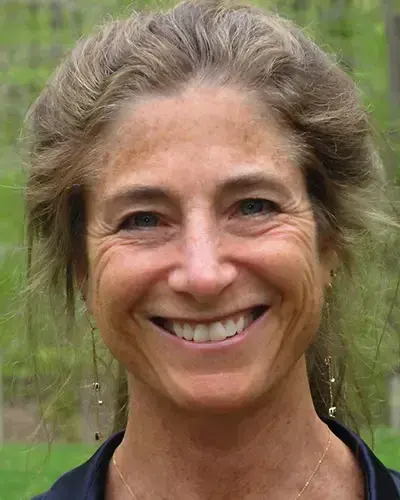
Author of Radical Acceptance and True Refuge
“The path of Radical Responsibility evolves our capacity to respond—with wisdom, courage, and love—to the suffering of our world. Author Fleet Maull guides us masterfully in awakening from our separateness and inspires a profound dedication to caring for ourselves and each other.”
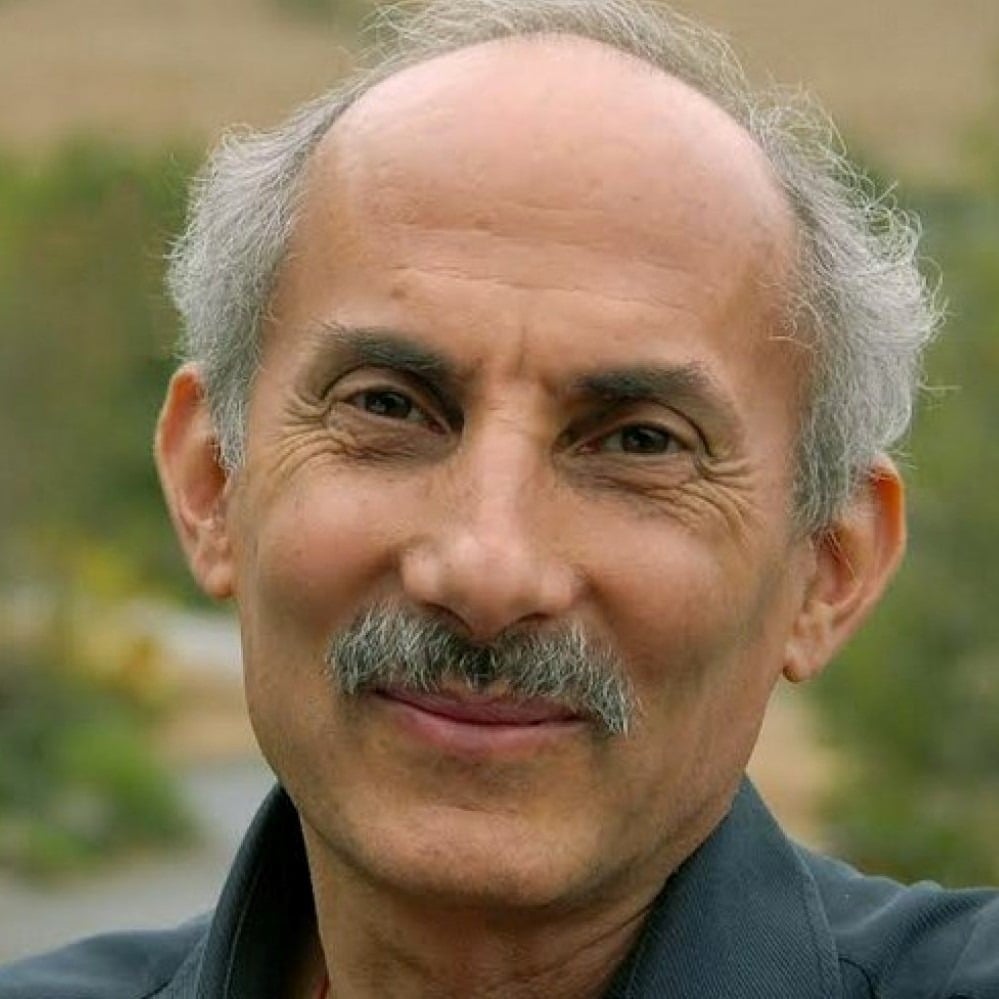
Author of A Path with Heart
“Radical Responsibility is an empowering and heartfelt guidebook to living more fully, a systematic training for practical liberation in your life.”

Author of Real Happiness and Real Love
“Following the path Radical Responsibility—a gift to us from author Fleet Maull's amazing real-life backstory—we learn to own our choices and create the freedom to craft our lives to be truly happy, reach our highest potential, and be a force for good that can change the world.”
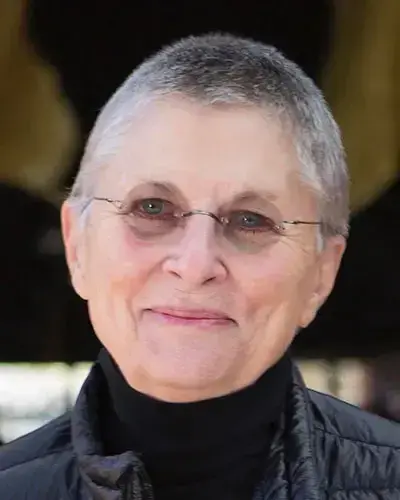
Abbot of Upaya Zen Center and author of Standing at the Edge
“This important work by Fleet Maull is full of practical wisdom and written from his deep experience as a teacher, practitioner, and guide of corporate executives, chaplains, and those serving others. It is a rare treasure and a book for today and for all time.”
Author of Emotional Intelligence
“Fleet Maull draws on his unique life journey and remarkable expertise, sharing with us how we can find equanimity and compassion in the maelstrom of our days. Radical Responsibility offers a sound and original blueprint for a life well lived.”
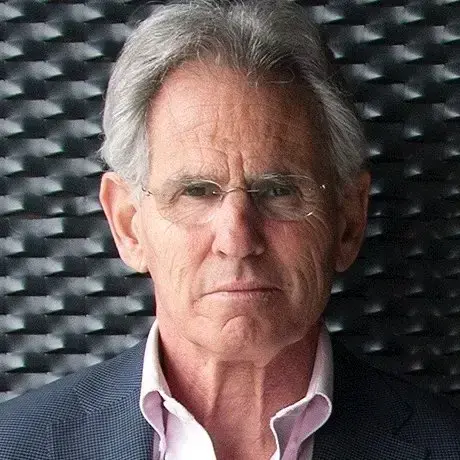
Author of Full Catastrophe Living and Mindfulness for All
“Fleet Maull’s creative and time-tested framework for reining in your own mind’s inflammatory, self-destructive, imprisoning tendencies can be powerfully freeing―and healing. All you need to do is put it into practice. He guides you in exactly how to do that and sustain it for life. You couldn’t be in better hands or have a more capable and authentic guide.”
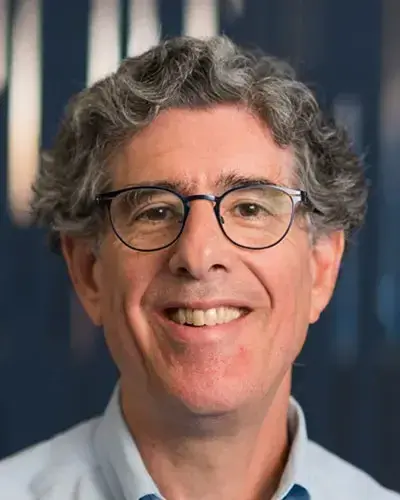
Founder and Director, Center for Healthy Minds, University of Wisconsin–Madison
“A practical, direct, and accessible guide to human flourishing from someone who faced tremendous adversity and emerged from this challenge with vigor, equanimity, and the deepest passion to share his wisdom for the benefit of others. This book is a gift for anyone facing adversity, which is all of us!”
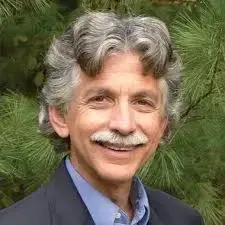
Assistant professor of psychology at Harvard Medical School and author of The Mindfulness Solution: Everyday Practices for Everyday Problems
“At once inspiring and practical, this book masterfully shows us how to thrive in the face of adversity. Based on insights from ancient wisdom traditions, modern neuroscience, contemporary psychology, and his own remarkable journey from maximum-security prison inmate to transformative teacher, Fleet Maull provides a wealth of accessible tools anyone can use to discover their own basic goodness and engage more fruitfully in the world. With warmth, skill, and humility, he provides step-by-step instructions to help us courageously face reality, heal our wounds, and live richer, happier, more fulfilled, and effective lives.”

Author of Mindfulness: A Practical Guide to Awakening
“It's a rare privilege to read the work of someone who walks the talk as fully as Fleet Maull. The transforming wisdom of his extraordinary life experience—from dharma practitioner to prison inmate to spiritual mentor—suffuses every page of this wonderful book. Engaging, pragmatic, and deeply insightful, Radical Responsibility shows us all how to take responsibility for the habit patterns of our lives. With personal stories, psychological research, and a range of meditative exercises, Fleet illuminates the possibilities of living a freer and more joyful life. Highly recommended.”
Your practicum support comes from experienced NSM practitioners who help you integrate the method, refine your facilitation, and work toward the same competency standards used for certification.
NSM Coach + Yoga / QiGong Teacher
NSM Coach
NSM Coach + Yoga Teacher
NSM Coach + Yoga / Pilates Teacher
At least three years of consistent mindfulness or meditation practice, including completion of at least one teacher-led, in-person, week-long silent meditation retreat.
If you don't have previous professional training, use this pathway to complete the professional prerequisite above.
Engaged Mindfulness Institute teacher training ↗Haven't taken this course yet? Start NSM Foundations before the certification begins.
Purchase NSM Foundations ↗Phase One includes one live 60-minute session every week. There are 12 total: 9 led by NSM Coaches and 3 led by Fleet Maull, PhD.
Many training programs teach a method, ask students to practice it, and provide only limited guidance on the subtle qualities that make facilitation effective. NSM takes a more rigorous approach. Your recorded teaching will be evaluated using a comprehensive Neuro-Somatic Mindfulness facilitation rubric, with detailed reports identifying demonstrated strengths, priority areas for development, and practical strategies for improvement.
The goal is developmental precision.
Your resourcing invitation lands with steadiness; consider allowing an additional 8–10 seconds of silence before your next verbal cue so the interoceptive orientation can settle. Growth from Submission 02 is clearly visible in pacing.
People are more likely to stay engaged in a meaningful process when they can sense that something real is happening. NSM is designed to help you facilitate direct experiences of regulation, presence, inner connection, and possibility—often early in the relationship. The aim is not to manufacture dramatic experiences or promise instant transformation.
These authentic early experiences can build trust in you and in the process, increase motivation to continue practicing, create a shared experiential language for future work, help clients recognize progress, support deeper engagement and more enduring professional relationships, and increase the likelihood that satisfied clients speak meaningfully about their experience to others. Professional growth can emerge naturally when your work becomes more experiential, more effective, and more clearly differentiated.
Eight facilitator competencies form the foundation of your development and final assessment.
Certification will recognize your ability to facilitate Neuro-Somatic Mindfulness with sufficient knowledge, embodiment, professional judgment, and practical skill. Completion of videos alone will not qualify a participant for certification. Participants who need additional development may be invited to complete targeted practice or resubmit specific elements before certification is awarded, protecting the integrity of the credential and supporting the success of every graduate.
of professional formation, supervised practice, feedback and certification
Formation. Practice. Certification — held as one continuous arc.
The founding cohort will be more than the first group to complete the certification. It will become the founding generation of Neuro-Somatic Mindfulness professionals—helping shape the culture, language, standards, and future community of this emerging field. Founding participants will enter a program built on a substantial body of established teaching while also contributing thoughtful feedback that helps refine the certification for future cohorts.
This is a professional formation and supervised practicum, not a short online course. Founding cohort tuition steps up on November 30 and again after December 31. Your rate is set by when you pay in full or make your first payment.
Begins January 13, 2027 · Weekly live sessions Wednesdays at 1:00 pm ET · 6 to 12 months
Tuition is non-refundable.
HeartMind Live access begins after Week 12. A card is required to activate it.
Enrollment is by application so the cohort can support experienced professionals who are ready for personal practice, supervised teaching, feedback and competency-based certification.
A conversation with an advisor is optional. You can apply without booking a call.
Review the program details and eligibility requirements.
Submit a brief professional application describing your background, current work, mindfulness experience, and goals.
Complete NSM Foundations before the certification begins, if you have not already done so.
Participate in an enrollment conversation if additional fit or scope questions need clarification.
Upon acceptance, complete enrollment and prepare for the opening orientation.
Everything you need to weigh the decision. If something isn’t here, reach out any time.
The certification is designed to be completed in 6 to 12 months. Phase One runs for 12 weeks. Phase Two begins after that and lets you complete supervised practice, feedback and the final demonstration at your own pace within the 12-month window.
Phase One includes one 60-minute live session each week, 12 total, with three led by Fleet Maull, PhD. Phase Two weekly drop-in support is optional. The recordings and make-up policy is still being finalized and will be stated before enrollment.
Teaching-practice hours can include NSM classes you teach and NSM-informed client sessions when you are already qualified to coach or provide therapy. The work must stay within your existing professional scope.
During Phase Two you will submit audio recordings of your teaching regularly, about weekly, plus at least one final video. The exact submission tool and workflow will be provided before the practicum begins.
No. Phase Two includes optional weekly drop-in support in an office-hours format, along with peer learning. Your supervised teaching, recordings, feedback and final demonstration are the core requirements.
You may be asked to complete additional targeted practice, coaching or a resubmission. The goal is to support genuine competence while protecting the integrity of the credential.
No. This is an advanced professional specialization for experienced practitioners who already have a meaningful mindfulness practice and professional experience working with others. See Prerequisites above for the complete requirements.
No. The program is relevant to coaches, mindfulness and meditation teachers, therapists, yoga teachers and other qualified helping professionals. You are expected to use NSM within the professional role and scope you already hold.
NSM teaches invitational, body-based mindfulness practices for awareness, regulation and direct experience. Coaches must stay within their existing training and scope, avoid diagnosing or treating conditions, and refer out when a client needs clinical care.
The credential does not expand your legal or professional scope. It does not qualify you to diagnose, provide psychotherapy, or treat trauma unless those activities are already within your professional license and training.
Neuro-Somatic Mindfulness™ is an embodied approach to classical mindfulness practice developed by Fleet Maull, PhD. It trains interoception, your ability to feel what is happening inside the body, so attention can move from thinking about experience to sensing it directly.
It is designed for experienced professionals who want a body-first mindfulness specialization, supervised teaching practice, detailed feedback and competency-based certification rather than an introductory meditation course.
Interoception means sensing the body from within. Internal neuro-biofeedback means using direct internal experience as feedback about your state. Direct sensate experience means attending to felt experience instead of only thinking about it. State-to-trait describes the gradual stabilization of capacities practiced in a temporary state so they become more available in daily life.
They are ready to feel more present in their own lives, to discover that their internal state is not fixed, and to move from understanding what is happening to participating in real change. The Neuro-Somatic Mindfulness™ Professional Certification is an invitation to deepen your own embodiment, refine your craft, and learn to facilitate experiences that people can feel—and carry forward into their lives. It is also an invitation to join the founding generation of a new professional field within mindfulness and help define what Neuro-Somatic Mindfulness can become.
Applying is free. Early Bird pricing ends Nov 30. Cohort begins January 13, 2027. Live sessions Wednesdays at 1:00 pm ET.